

Common materials for bicycle frames are carbon fiber, aluminum alloy, titanium alloy, steel, or a combination of these.
Each material has different strength characteristics, fatigue curves, and impact resistance. When choosing a bicycle, you'll need to make trade-offs, and weight is only one factor. If you're weight-conscious and looking for performance, lightweight materials are your top choice. However, if your goal is a durable and robust bike that can carry you and your dreams across the country, weight shouldn't be your primary consideration.
This is a topic every cyclist can't avoid. Don't get carried away; carefully consider whether you need it before making a purchase. If you're planning a bike for competition, a rigid and lightweight bike is ideal, and this will narrow down your material choices. Conversely, if you're planning a long-distance or thru-hike trip that involves long periods of time on the bike and a lot of luggage, durability will be paramount, and this will also narrow down your choices.
While your location doesn't necessarily influence your choice of frame material, steel, like steel, can rust if exposed to humidity for extended periods. Therefore, aluminum frames are more suitable for humid climates while offering properties similar to those of steel.
Aluminum alloy frames are the most common material used in modern bicycles and are widely used in various accessories. Aluminum's low density and ease of forming make it well-suited for frame construction. Aluminum alloy frames are relatively affordable, especially compared to carbon fiber frames. However, manufacturing a carbon fiber frame takes 14 times longer than an aluminum frame. Like carbon fiber, aluminum alloys differ based on their specific grades and formulations. Beyond the inherent material differences, advances in manufacturing technology have significantly improved aluminum alloy frames. Tubing can now be manufactured in a variety of shapes and thicknesses, ensuring structural strength while reducing weight. This technique, known as tubing reduction, allows the tubes to be thinner in the center to reduce weight and thicker at the sides to facilitate welding.
| Parameter | Specification |
|---|---|
| Model Number | F-QLH20 |
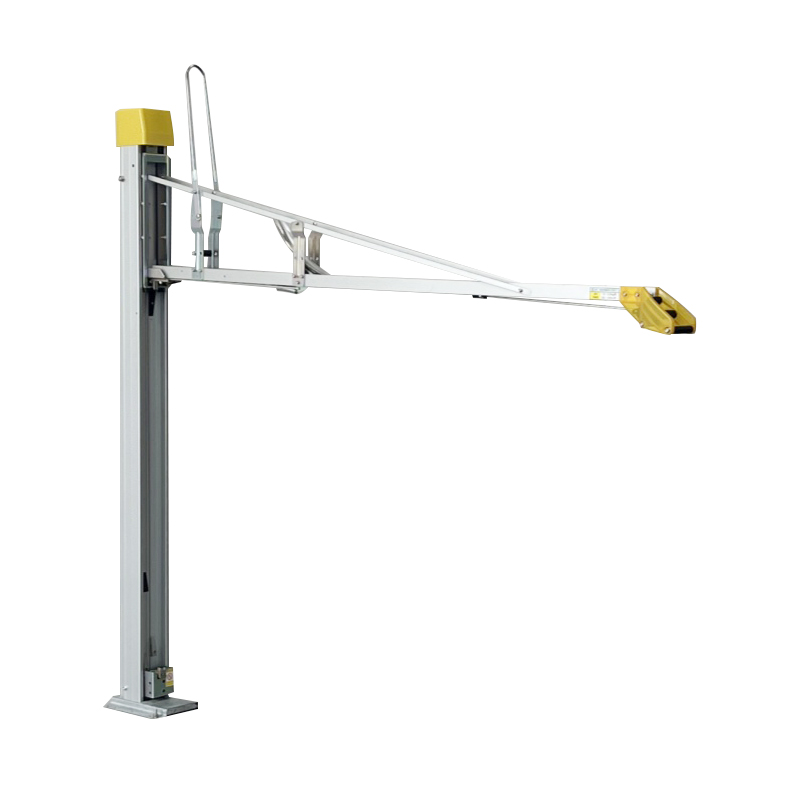
| Material | Pillar and rack: Aluminum alloy |
| Dimensions | L: 1970 × W: 220 × H: 1820 (mm) |
| Color | Light grey or customized |
| Capacity | 1 bike / set |
| Load Rating | 15 - 22 kg |
| Mounting | Vertical rack, fixed to floor using expansion anchor bolts |
| Installation Angle | 10° or customized |
| Recommended Height | 2500 mm |


