

A Bike Rack with Footbrake is a practical bicycle storage solution designed with an integrated foot-operated braking or locking mechanism to improve stability and safety during bicycle parking. Compared with traditional bike racks, this type of rack provides better control by helping prevent unwanted movement when loading, unloading, or storing bicycles.
Commonly used in homes, bicycle parking areas, repair shops, public facilities, and commercial spaces, a bike rack with footbrake combines convenient storage with improved stability.
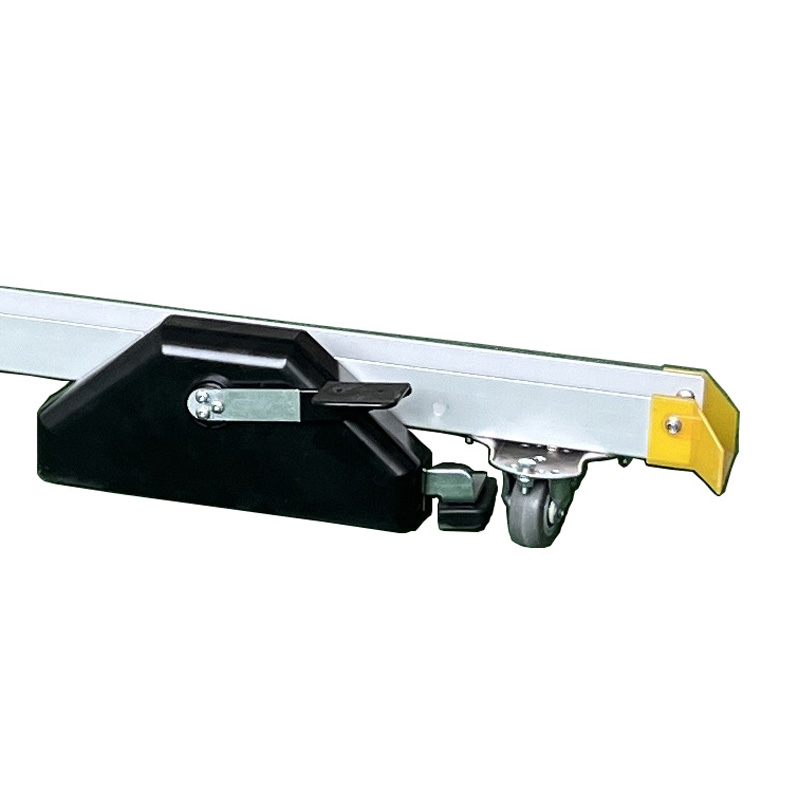
A Bike Rack with Footbrake is a bicycle support system equipped with a foot‑operated brake mechanism. By pressing the foot pedal or brake component, users can secure the rack position and reduce movement during use.
| Component | Function |
|---|---|
| Rack Frame | Supports and holds the bicycle |
| Footbrake Mechanism | Locks or stabilizes the rack through foot operation |
| Support Base | Provides balance and structural stability |
| Wheel Holder | Keeps the bicycle wheel positioned correctly |
| Fastening Parts | Connect and secure different components |
This design allows users to handle bicycles more easily without needing to manually adjust or hold the rack.
The working principle is relatively simple.
Releasing the brake allows the rack to move or be adjusted when needed.
This feature is especially useful in environments where bicycles need to be frequently moved or repositioned.
One of the main advantages of a footbrake design is better stability.
It helps reduce:
This is particularly useful when users are parking heavier bicycles or electric bicycles.
Traditional racks may require users to hold the bicycle and rack simultaneously. A foot‑operated brake allows users to stabilize the rack using their foot while keeping both hands available.
This makes bicycle parking more convenient.
A bike rack with footbrake can be used in various locations, including:
For household use, these racks help organize bicycles and save storage space.
Benefits include:
Repair shops often need stable bicycle positioning during inspection and maintenance.
A footbrake rack allows technicians to:
In shared bicycle spaces or commercial facilities, stable racks help improve user experience.
Applications include:
The material affects strength, durability, and weight.
Common materials include:
| Material | Characteristics |
|---|---|
| Steel | Strong structure and suitable for heavy‑duty use |
| Stainless Steel | Better corrosion resistance |
| Aluminum Alloy | Lightweight and easy to move |
The appropriate material depends on indoor or outdoor usage conditions.
A suitable bike rack should match the bicycle type.
Consider:
Heavy bicycles usually require stronger frames and more stable support structures.
The footbrake should be:
A well‑designed mechanism improves daily convenience.
For limited storage areas, compact designs can help maximize available space.
Useful features include:
| Feature | Bike Rack with Footbrake | Traditional Bike Rack |
|---|---|---|
| Stability | Higher stability with brake function | Depends on rack structure |
| Operation | Foot‑controlled locking | Manual adjustment required |
| Convenience | Easier bicycle handling | Requires more effort |
| Suitable Uses | Frequent parking and maintenance | Basic bicycle storage |
| Flexibility | More control during use | Simple storage solution |
The main difference is the added braking mechanism, which improves control and usability.
Inspect:
Regular checks help maintain reliable operation.
Dust and dirt may affect mechanical movement. Cleaning the footbrake area helps maintain smooth operation.
For outdoor installations:
A footbrake helps stabilize the rack by locking its position, making bicycle parking and handling easier.
Many models can support heavier bicycles, including some electric bicycles, but users should confirm the weight capacity before use.
Yes, especially models made with corrosion‑resistant materials and weather‑resistant designs.
It reduces unwanted rack movement and helps keep bicycles stable during parking, loading, and maintenance.


