

Urban cycling has become an essential component of modern transportation planning, driven by environmental concerns, traffic congestion, and the increasing demand for convenient last-mile solutions. In response, Bike Lockers are gaining prominence as a practical solution for secure bicycle storage. Designed for individual or small-group use, bike lockers protect bicycles from theft, vandalism, and weather exposure while offering cyclists peace of mind. Beyond basic security, modern bike lockers integrate features such as ventilation, modular designs, and easy accessibility, catering to both commercial and residential settings.
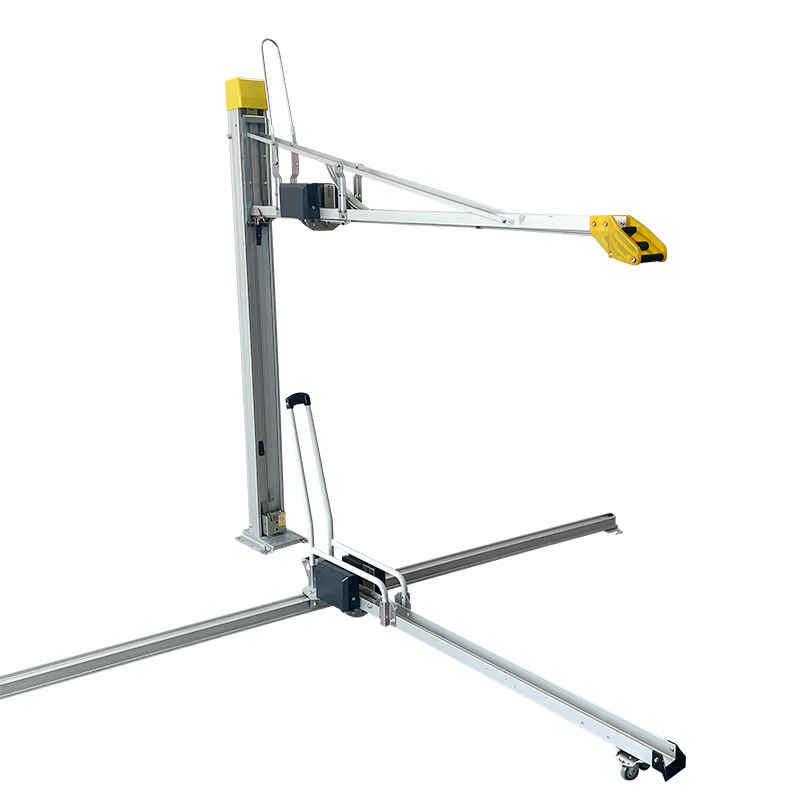
Bike lockers vary widely in design, capacity, and material construction. Understanding the specifications and technical advantages of these products is crucial for urban planners, property developers, and individual cyclists who aim to ensure long-term durability and security. Below is a summary of a typical high-quality bike locker specification:
| Feature | Specification |
|---|---|
| Material | Galvanized Steel / Powder-Coated Steel |
| Dimensions | 2000mm (H) x 750mm (W) x 600mm (D) |
| Weight | 120–150 kg per unit |
| Capacity | 1–2 bicycles per locker |
| Lock Type | Key Lock / Combination Lock / RFID Access |
| Weather Resistance | IP55 rated, waterproof and corrosion-resistant |
| Ventilation | Passive vents for airflow to prevent condensation |
| Installation | Ground-mounted with anchor bolts or modular stacking options |
| Customization | Color options, logo branding, and digital access integration |
These specifications reflect the core qualities that make bike lockers a preferred choice for secure bicycle storage in public spaces, residential complexes, and corporate facilities.
Bicycle theft remains a persistent challenge for urban cyclists, often discouraging daily commuting or eco-friendly transport habits. Bike lockers offer a controlled, lockable environment that significantly reduces theft risks. Unlike traditional bike racks, which provide only a fixed point to lock a bicycle, lockers enclose the entire bike, preventing tampering or opportunistic theft.
High-quality lockers employ advanced lock mechanisms such as combination locks, key locks, or electronic RFID access systems. Many models also feature reinforced steel construction, ensuring resistance against forced entry. In addition, modular locker designs allow for flexible installation in confined spaces, such as subway stations, office buildings, or community centers, without sacrificing security.
Security features are complemented by strategic placement and accessibility. Installing lockers in well-lit, high-traffic areas increases both visibility and deterrence, while user-friendly access systems encourage adoption by cyclists who may be concerned about convenience. Over time, these factors collectively enhance urban cycling confidence, supporting sustainable transport initiatives.
While security is paramount, user convenience remains a critical factor for adoption. Modern bike lockers are engineered for ease of use, offering ergonomic doors, ventilation systems, and flexible access methods. Ventilation helps prevent moisture buildup, reducing the risk of rust or mold, while smooth-opening doors and sufficient internal space accommodate a wide range of bicycle types, including e-bikes.
Some bike lockers integrate digital access control, enabling users to unlock the locker with a smartphone app or access card. This feature reduces dependency on physical keys and allows remote management for facility operators. For commercial or shared spaces, digital systems can track usage patterns, ensuring optimal allocation of lockers and preventing unauthorized access.
Another convenience factor is modularity. Stackable or connectable lockers allow cities and organizations to scale storage solutions according to demand without major structural modifications. The combination of security, accessibility, and flexible design makes bike lockers an ideal solution for both private and public cycling infrastructure.
As urban centers embrace smart city concepts, bike lockers are evolving beyond simple storage solutions into integrated mobility hubs. Emerging trends include:
Digital Integration – Smart lockers with IoT connectivity provide real-time availability updates, usage tracking, and automated alerts for maintenance.
Sustainable Materials – Manufacturers are adopting corrosion-resistant, recyclable materials to enhance durability and environmental sustainability.
Multi-Function Designs – Some lockers now include charging ports for e-bikes, solar-powered lighting, and modular racks for helmets or small personal items.
Custom Branding and Community Engagement – Locker designs can be customized to reflect local identity, fostering community adoption and increasing awareness of cycling infrastructure.
These advancements address both the growing demand for secure bicycle storage and the need for sustainable, tech-enabled urban mobility solutions. By combining practicality with innovation, bike lockers are poised to play a key role in the future of city transport planning.
Q1: Are bike lockers suitable for all types of bicycles, including electric bikes?
A1: Yes. Most bike lockers are designed with sufficient internal dimensions and load capacity to accommodate standard bicycles as well as larger e-bikes. Ventilation systems help maintain battery safety by preventing overheating, while reinforced structures ensure the heavier weight of e-bikes is safely supported. Custom configurations are available for oversized or specialty bicycles.
Q2: How secure are bike lockers compared to conventional bike racks?
A2: Bike lockers provide superior security. While traditional racks rely on users’ personal locks, lockers fully enclose the bicycle, protecting it from theft, vandalism, and environmental damage. Reinforced steel, tamper-proof locks, and electronic access options further enhance security, making them ideal for urban, high-traffic, or high-risk locations.
In addition to security and convenience, bike lockers can contribute to city planning objectives, including reducing clutter in public spaces, promoting sustainable commuting, and enhancing property value for commercial and residential developments.
In conclusion, bike lockers provide a practical, secure, and convenient solution for bicycle storage. By combining reinforced construction, advanced locking mechanisms, ergonomic design, and modular flexibility, these lockers address the dual priorities of security and user convenience. They are also adaptable to future trends, such as digital integration and e-bike compatibility, ensuring long-term relevance in evolving urban environments. For high-quality, customizable bike locker solutions, Xiamen Xinzhongsen Trade Co., Ltd offers a comprehensive portfolio tailored to both public and private sector needs.
Contact us today to explore a customized bike locker solution that enhances urban mobility and bicycle security.


